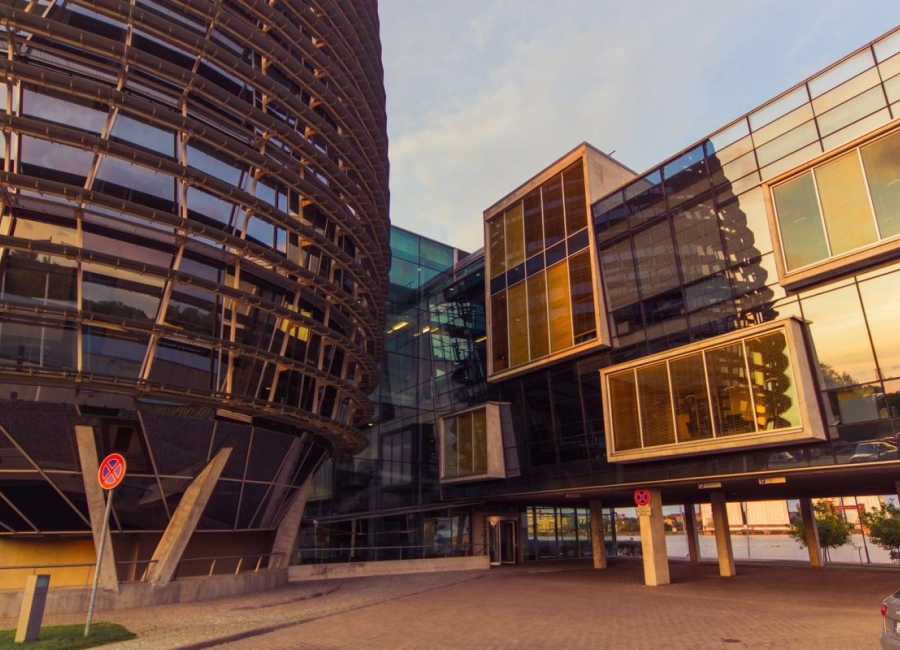

Building management and automation
Recent industry trends show that people today spend around 90% of their time indoors. Buildings account for 40% of global energy consumption, and about 80% of their total life cycle costs occur during operation. Moreover, 75% of non-residential buildings are not energy efficient, which significantly increases resource use and CO₂ emissions. As a result, the European Union member states are taking a strong stance in this sector, with new requirements under EU directives and national regulations coming into force on January 1, 2025.
One of the most effective ways to improve the energy efficiency of existing buildings without major investments is by increasing their level of automation. Buildings equipped with modern, well-functioning Building Management Systems (BMS) consume 10–30% less energy. Enhancing automation in an average office building not only creates a better indoor environment but can also reduce energy use by up to 39%. Compared to measures such as insulating building envelopes, automation upgrades offer a faster, more economical, and unobtrusive solution with a short payback period.
The new regulations require all public and other non-residential buildings with a nominal capacity exceeding 290 kW to be equipped with a Building Automation and Control System (BACS). A Building Management System (BMS) is based on a network of engineering systems and equipment, such as controllers and sensors, designed to optimize resource use, reduce maintenance costs, and ensure occupant comfort according to the building’s purpose. This system can be implemented both at the design stage and retrofitted into existing buildings during operation.
Challenges
Modern public buildings are equipped with mechanical ventilation, heating, cooling, and lighting systems. The proper operation of these systems has a direct impact on the building’s energy costs, occupant comfort and productivity, structural wear and tear, maintenance requirements, and overall operating expenses. Achieving optimal performance typically requires high-quality service and skilled technical personnel on site.
Many engineering systems are automated and perform local functions, such as regulating heating circuits. Adjustments to these automated systems are typically made on-site, for example, in the technical room. However, the latest generation of automation systems includes built-in web servers that enable remote configuration and control.
Even with these advanced features, building owners still face management challenges, as they must balance the operation of individually functioning systems with occupant needs and the goal of minimizing energy consumption.
Traditional solutions typically involve creating a centralized control system to manage all engineering devices and adjust software parameters. Data exchange is often enabled through standard control protocols such as BACnet or Modbus, or through system upgrades that align with the specific programmer’s preferred solution. Communication cables must be installed between the managed engineering systems, a central controller needs to be set up, and separate software is required for visualization.
Implementing such systems demands significant resources and engineering time, and the payback period is often unpredictable, as energy efficiency is not always the primary goal. Moreover, most systems are not integrated with room-level data because wired connections are difficult to implement, while wireless options in standardized building automation tend to be expensive. Standardized control systems can connect to energy metering devices, but they still require separate software for data visualization and analysis.
Ultimately, the conventional approach leads to high costs, software dependency, limited analytics, and reduced functionality.
In addition, according to Government Regulation No. 730, most non-residential buildings in Latvia must be equipped with a Building Automation and Control System (BACS) starting next year. This system must be capable of:
- continuously monitoring, recording, analyzing, and adjusting the building’s energy consumption;
- comparing and evaluating energy efficiency, as well as detecting inefficiencies in engineering systems;
- notifying the building manager about opportunities to improve energy performance; and
- ensuring connectivity with the building’s engineering systems while being able to operate independently of the manufacturers of individual system components.
What if you want to manage engineering systems conveniently, analyze energy consumption, enhance control using climate and weather forecast data, support building operations, and ensure compliance with government regulations?
We have developed an innovative and effective solution that brings meaningful change to the traditionally conservative building automation market. This modern system integrates the latest achievements in IT, IoT, and advanced building automation controllers. Its main goal is to optimize building management by utilizing existing automation systems as much as possible, achieving up to 30% energy savings while maintaining optimal comfort levels throughout building operation. Climate and energy consumption data are presented clearly and intuitively on the building’s management platform.
Who is the solution intended for:
- Heating circuit, HVAC, and microclimate control - Existing systems are either upgraded or replaced with Intelliify controllers, depending on the current setup. The Intelliify platform provides visualization of heating circuit and ventilation data, including forward and return temperatures, curves, inlet and outlet temperatures, and more. Required adjustments, such as comfort schedules, curve slopes and offsets, minimum and maximum temperatures, desired room temperature, and CO₂ levels can be easily made. Data analysis integrates with the platform’s heat and electricity meters to determine energy consumption targets. Heating circuit and HVAC control are further enhanced with room climate measurements (including CO₂) and weather forecast data, allowing automatic control to optimize energy consumption while maintaining comfort.

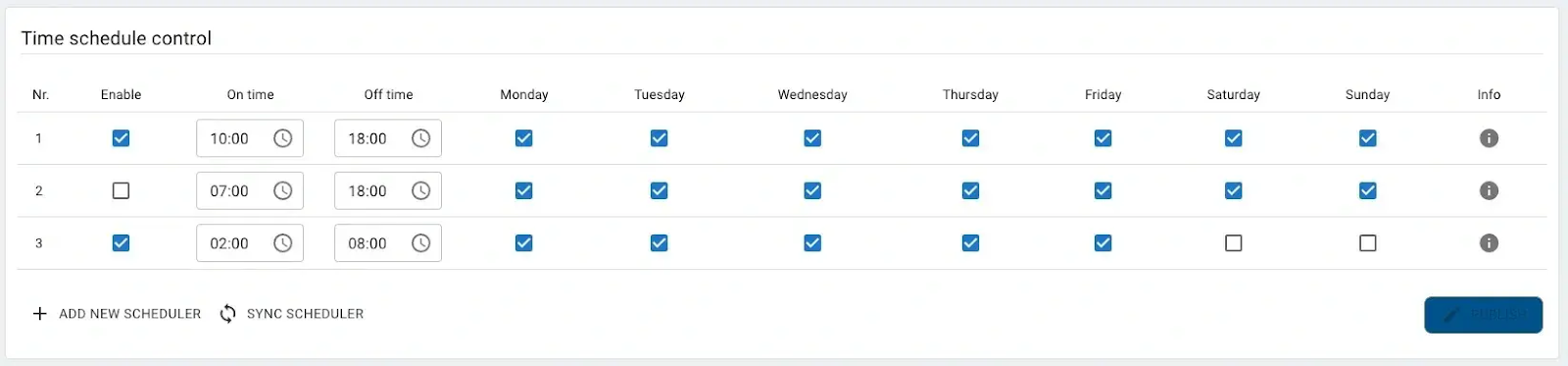

- Cooling equipment / heat pump monitoring - Data is integrated via Modbus or BACnet protocols. The platform allows convenient visualization of equipment operating data, remote parameter adjustments, alarm monitoring, and actionable recommendations.
- Meter reading and distribution network data visualization - Real-time visualization of distribution networks with seamless integration into optimal building management. Continuous data collection is supported through both wired (M-Bus, Modbus) and wireless (OMS, LoRa) solutions. The data is displayed on the platform and can be used for energy analysis, billing, and other applications.
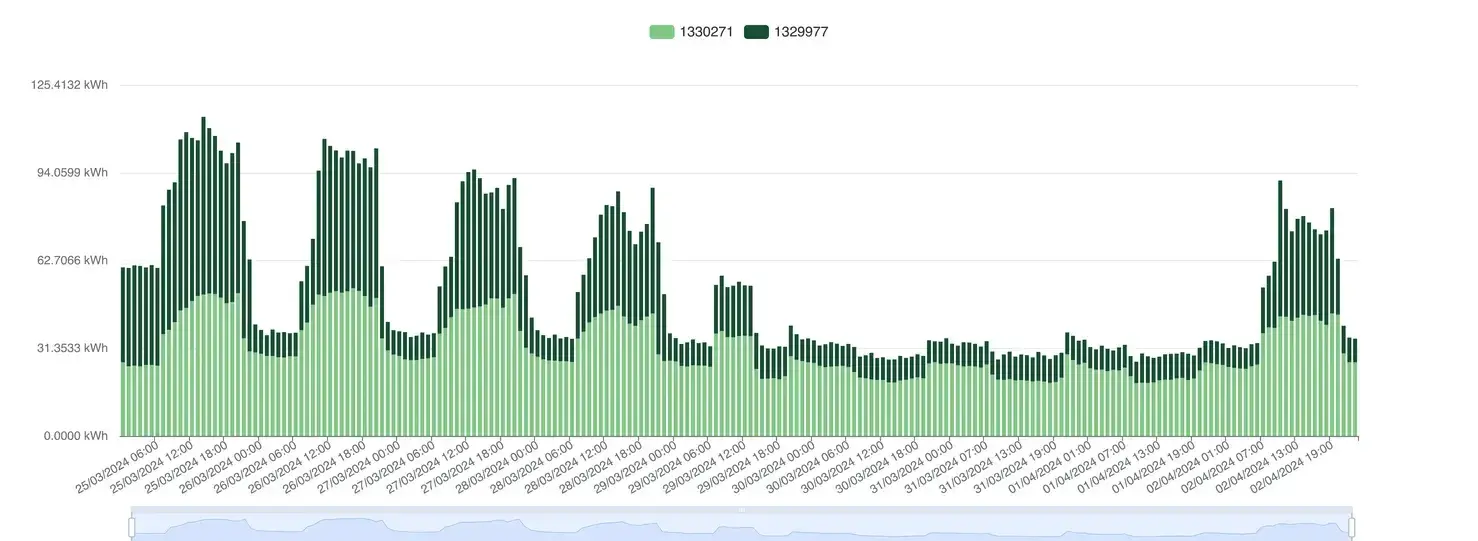
- Savings - Monitored data can be displayed dynamically to highlight energy savings. Using specially developed algorithms, it is possible to compare desired versus real-time energy consumption of engineering systems, taking into account external air temperature, ultimately supporting more informed decision-making in building management.
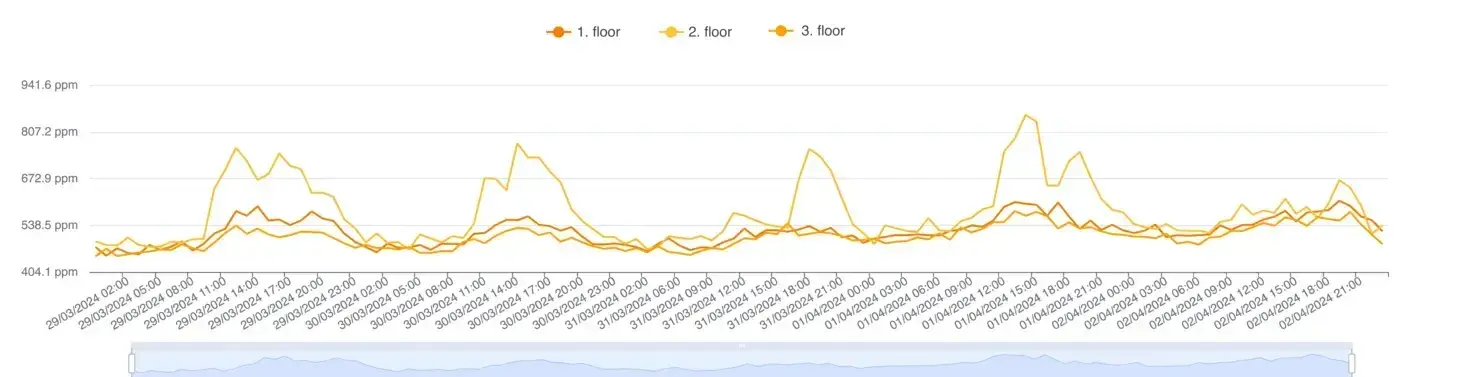
- Productivity and other assessments - Wireless sensors are installed to collect and monitor microclimate data and determine climate class. Algorithms evaluate and display the impact on human productivity and provide actionable recommendations.
What we offer to be a trusted partner in building engineering system management:
- Over 20 years of experience in building automation, including hundreds of consultations, project installations, renovations, and ongoing maintenance.
- A reliable, secure, and fast platform that combines automation and energy management software, offers leasing options, and fully meets current regulatory requirements.
- Wireless sensors, meters, and controllers - the ideal solutions for creating a modern, user-friendly building management system. We take care of installation, setup, and calibration.
- A decentralized solution for remote data exchange using M2M SIM cards and VPN connections, providing secure, fast, and affordable data connectivity, along with easy maintenance and support.
- Thousands of kWh saved, dozens of buildings already compliant with the new regulations, and, of course, positive feedback from building owners and managers.
Contact us, and we’ll install the Intelliify building management system for your building too!