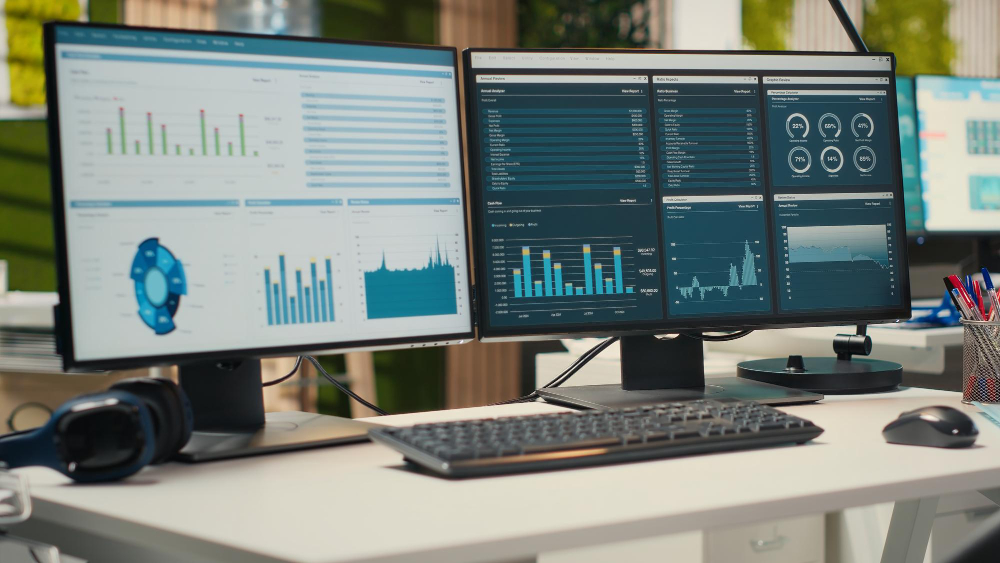

In modern buildings, automation should feel effortless. When temperature remains stable, lighting adjusts naturally, and energy consumption stays under control, systems are operating as they should. These ideas recently shaped a conversation in our latest podcast episode with our team and industry expert Ralfs Krauze, where we explored the current state of building automation, the situation in the Baltic states, and what truly defines a well-functioning system. The conclusion was simple: if it works seamlessly and you can’t feel it operating in the background, it’s working exactly as it should.
The Most Expensive Mistake in Building Automation
It’s often not the technology that makes building automation projects challenging, but having the right expertise in place from the start. Systems can end up disconnected, underused, or difficult to scale, issues that a skilled team can prevent.
A strong team ensures:
- Seamless integration and scalable solutions that grow with your building or portfolio
- Clear, actionable insights from your data
Bringing the right people on board from the beginning keeps projects on track, avoids costly missteps, and makes future digital upgrades far smoother.

The New Building Standard
In the Baltic states, building automation is increasingly seen as part of modern commercial property expectations rather than an optional upgrade. While BMS isn’t yet a strict legal requirement for all new buildings, energy performance standards and evolving construction practices are pushing developers and owners to adopt smarter systems to improve efficiency and meet market demand.
As sustainability and digitalization continue to shape the region’s real estate landscape, the Latvian market has been developing rapidly in both interest and implementation of building automation.
What Comes After Automation?
Traditional Building Management Systems were designed for enhanced control - regulating HVAC, lighting, and essential technical infrastructure within a building.
Digitalization doesn’t replace this foundation, it builds on top of it, adding new ways to use the systems already in place. This approach allows to:
- Smarter energy management and simplified ESG reporting, with clear, structured data for decision-making
- Integrated alerts and easier remote control, giving owners greater operational peace of mind
Automation keeps buildings running, while digitalization helps owners understand, optimize, and plan with confidence.
Where the Industry Is Heading
Looking ahead to 2026, the shift toward digital building systems is being supported by evolving European frameworks that increasingly reward smart, data‑enabled buildings. Meanwhile, automation and control systems are becoming more common even in smaller commercial properties, as owners focus on energy transparency, easier remote management, and structured data for sustainability reporting - trends already shaping investor expectations and digital building projects across Europe including the Baltic region.
Watch the full episode to hear industry experts share their insights on building automation - https://www.youtube.com/watch?v=qUwRVWs-7T0